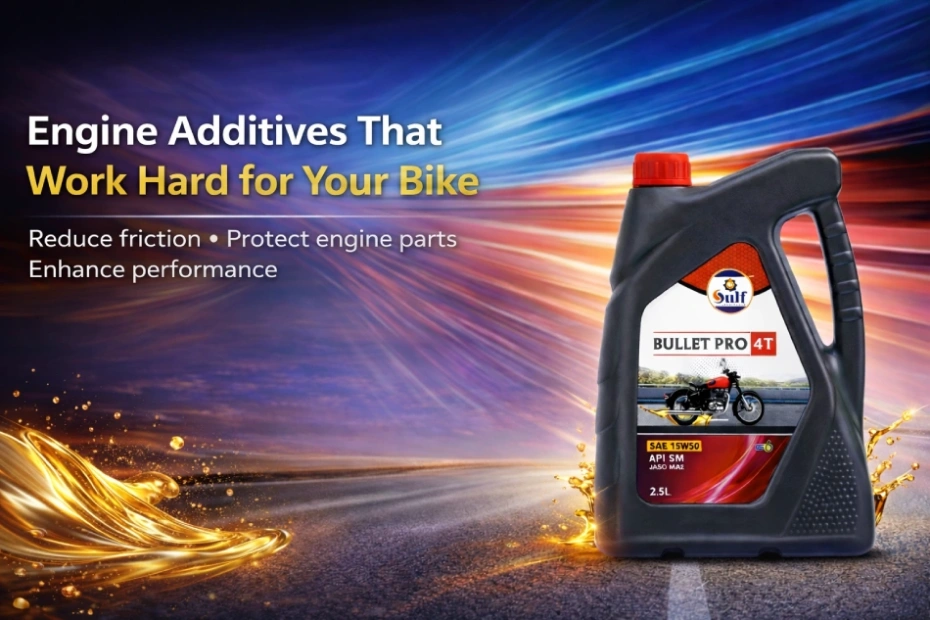
Additives in Motorcycle Engine Oil: Time to Glide with Your Ride Effortlessly
Engine oil, indeed, is the best gift you can give to your bike. As much as you love to ride around on a motorcycle, it is significant to consider proper maintenance and care. To ensure your two-wheeler runs seamlessly, you need to choose the right motorcycle engine oil distributor beyond just washing and cleaning. Furthermore, just like you regularly check your bike’s tire pressure, spark plugs, battery, and air filter, it is imperative to check engine oil regularly. However, it is a fundamental part of regular maintenance that will help keep your motorcycle’s internal health and condition.
Moreover, engine oil purchased from the right engine oil dealer plays an essential role in maintaining the bike’s engine health, reducing friction, and providing a smooth riding experience. Nevertheless, oil forms a thin film that fills the smallest spaces between non-reachable parts and prevents elements such as cylinder walls, bearings, pistons, and more from making metal-to-metal contact. Likewise, in this comprehensive guide, we will discuss the significance of additives in bike engine oil offered by the best motorcycle engine oil distributor and more essential facts that you must know to enhance the overall health of your motorcycle.
What are Engine Oil Additives?
Engine oil additives are chemical compounds combined with base oils to boost performance, adding essential characteristics, such as improved cleaning, reduced friction, anti-corrosion/rust protection, and improved viscosity control that base oil alone can not provide. Thus, it ensures modern engines run seamlessly, efficiently, and last longer by preventing deposits, chemical breakdown, and wear. Furthermore, these additives, offered by a reliable engine oil distributor in India, make up 10 to 30% of the oil, create a protective film, maintain lubrication at excessive temperatures, and neutralize harmful acids, vital for today’s demanding engines.
What are the Fundamental Types of Additives in Bike Engine Oil?
The best engine oil dealer in the state offers different types of engine oil additives for bikes. Likewise, every type is designed to address particular engine needs and preferences. Furthermore, comprehending their functions is the best way to help bike owners select the right blend of their needs from the right engine oil distributor.
1. Viscosity Index (VI) Improver
Viscosity Index (VI) Improver additives are oil-soluble polymers added to lubricants (such as engine oil) to decrease how much their thickness (viscosity changes with temperature, forming a smoother viscosity-temperature curve for multi-grade oils, ensuring versatile low-temperature flow (such as during cold starts) and adequate high-temperature lubrication, improving efficiency, and securing engines by reducing wear. Additionally, these polymers contract in the cold, having little impact, but expand and thicken the oil as it heats up steadily, stabilizing its performance.
2. Detergent Additives
Detergent additives in engine oil from a reliable motorcycle engine oil distributor are alkaline chemicals that clean the engine by balancing harmful acids from combustion and controlling deposits, such as varnish and sludge, from forming on metal parts, ensuring seamless operation, improved fuel efficiency, and longer engine life. Furthermore, they work by lifting impurities, poisons, pollutants, and toxins and suspending them in the oil so they can be carried to the filter. Thus, it acts as a significant detergent for internal engine components.
3. Anti-Wear (AW) Agents Additives
Every engine oil distributor knows that anti-wear (AW) agents are essential oil additives that form a protective chemical film on engine metal surfaces, reducing friction, wear, and damage. Therefore, it is especially during startup or under heavy loads, when the oil film is thin, that phosphorus compounds, such as ZDDP, are often used to create a sacrificial, stronger external layer that controls direct metal-to-metal contact and extends engine life.
4. Corrosion and Rust Inhibitors Additives
Manufacturers of engine oil know that corrosion and rust inhibitors are vital additives that form a protective film on metal engine parts. Thus, it prevents damage from moisture, acidic combustion byproducts, and oxygen, thereby extending engine life by neutralizing corrosive components and physically precluding them from the metal surface. Nevertheless, this ensures smooth lubrication and prevents degradation. Additionally, these additives are imperative for safeguarding elements such as cylinder walls, bearings, and other internal metal surfaces from oxidation and chemical attack. Likewise, it is especially used in the harsh, high-temperature environment of an engine.
5. Pour Point Depressants Additives
Pour point depressants (PPD) additives in engine oils are chemicals that prevent oil from thickening and solidifying at low temperatures by modifying wax crystal formation, ensuring the oil stays fluid for proper lubrication and easier cold starts, even in freezing conditions. Moreover, a reliable engine oil distributor in India ensures that pour point depressant additives work by disrupting the growth of wax crystals and preventing them from forming interlocking networks that impede the flow of engine oil. Likewise, it lowers the oil’s pour point (the lowest temperature it will flow).
Why Do We Need to Change the Engine Oil Regularly?
Whatever the level of petrol refinement, it is always a little rough. Without engine oil, this roughness can cause damage to engine parts. There are many components in a bike engine that keep moving. Furthermore, when these components continue to move, they cause friction. The manufacturers of engine oil understand that engine oil’s purpose is to minimize friction and ensure the engine runs smoothly. That is why when you operate the bike, dust and dirt seep into the engine through its seals. The dust and dirt mix with engine oil, rendering it dirty and less functional. Moreover, carbon deposits form in the engine and, together with oil, reduce engine efficiency.
For this reason, it is advised that the engine oil should be changed every 2–3 months. It will ensure your motorcycle’s engine is working efficiently. When you switch from old oil to new oil, all the parts are well-lubricated and cleaned. Furthermore, it enhances bike performance and helps keep the engine healthy for a long time.
How to Pick a Reliable Bike Engine Oil Manufacturer?
Engine oil for a bike engine is more than a lubricant. Furthermore, it is the key to the engine’s lifespan, performance, and a pleasant ride. The problem is that bike engine oil is already a dime a dozen, making it very hard to choose the right motorcycle engine oil distributor. It is essential to make the right choices to ensure the engine remains healthy for a long time.
1. Verify Industry Experience and Brand Reputation
First, the manufacturer’s years of experience in the market should be considered. The longer the years, the more knowledge the manufacturer has about engines and has tested their products extensively. Moreover, online consumer reviews can help you judge whether the company is reliable.
2. Focus on Certifications and Standards of Quality
Good engine oil manufacturers will always meet international standards such as API, JASO, or ISO. It is essential as it ensures the engine oil has been tested and is bike-safe. Thus, when an engine oil dealer is open about its standards, it is an indicator of trustworthiness.
3. Review the Product Range and Technology Used
Good manufacturers will not be restricted to producing one type of oil. Therefore, good manufacturers will have a proper range of mineral oils, semi-synthetic oils, and fully synthetic oils. Good manufacturers will use new additives and new lubrication technology to control engine wear, overheating, and carbon buildup.
4. Compatibility with Different Bike Engines
Each engine, whether it belongs to a commuter bike, sports bike, or cruiser, requires different types of motor oil. Furthermore, there should be no confusion in obtaining this information from a good motorcycle engine oil distributor. Good manufacturers provide clear viscosity markings.
5. Strong Distribution Channels and Service Network
A reputable brand has good distribution channels. Thus, original products are easily accessible. Additionally, customer service and tech support are also available. When a brand is responsive to inquiries and is transparent in its dealings, it is considered reputable.
It’s Time to Wrap Things Up!
Now that you have the precise knowledge of the bike engine oil, you can easily review the available choices on the wider platforms and choose the right motorcycle engine oil distributor for your motorcycle based on its grade and type. Ensure it meets all your required standards and your bike’s needs and preferences. To secure your valuable bikes from unforeseen damage or breakdowns, you must consider picking the best motorcycle engine oil distributor. Furthermore, with Sulf Lubricant, we offer high-performance engine oils that provide superior protection and longer oil self-life. Our engine oils will give you confidence to ride your motorcycle without stressing about the bike’s health. Contact us today to get premium engine oil.
Frequently Asked Questions
Oil additives are a great way to minimize wear and stress on your engine, maximizing its long-term performance. Lubricants, such as antifoamants and anti-wear oil additives, coat engine parts so they do not seize up and become stiff.
Taking care of your bike’s engine involves two factors. The first is not showing the engine off to its full potential, which means you are not redlining it in all gears, and the second is changing the engine oil on a periodic basis. This will ensure that all the inner components of the engine are functioning in aühgehöriger manner.
Aftermarket engine oil supplements claim added protection. However, it sometimes calls for disaster instead. From clogged gearboxes to the dangers of zinc scuffing, this in-depth expose reveals why KCK Lubricants are designed to perform while living risk-free when topped with supplements.